Women’s Mental Health Across the Lifespan

Thoughtful, Evidence-Based Care for Women’s Mental Health
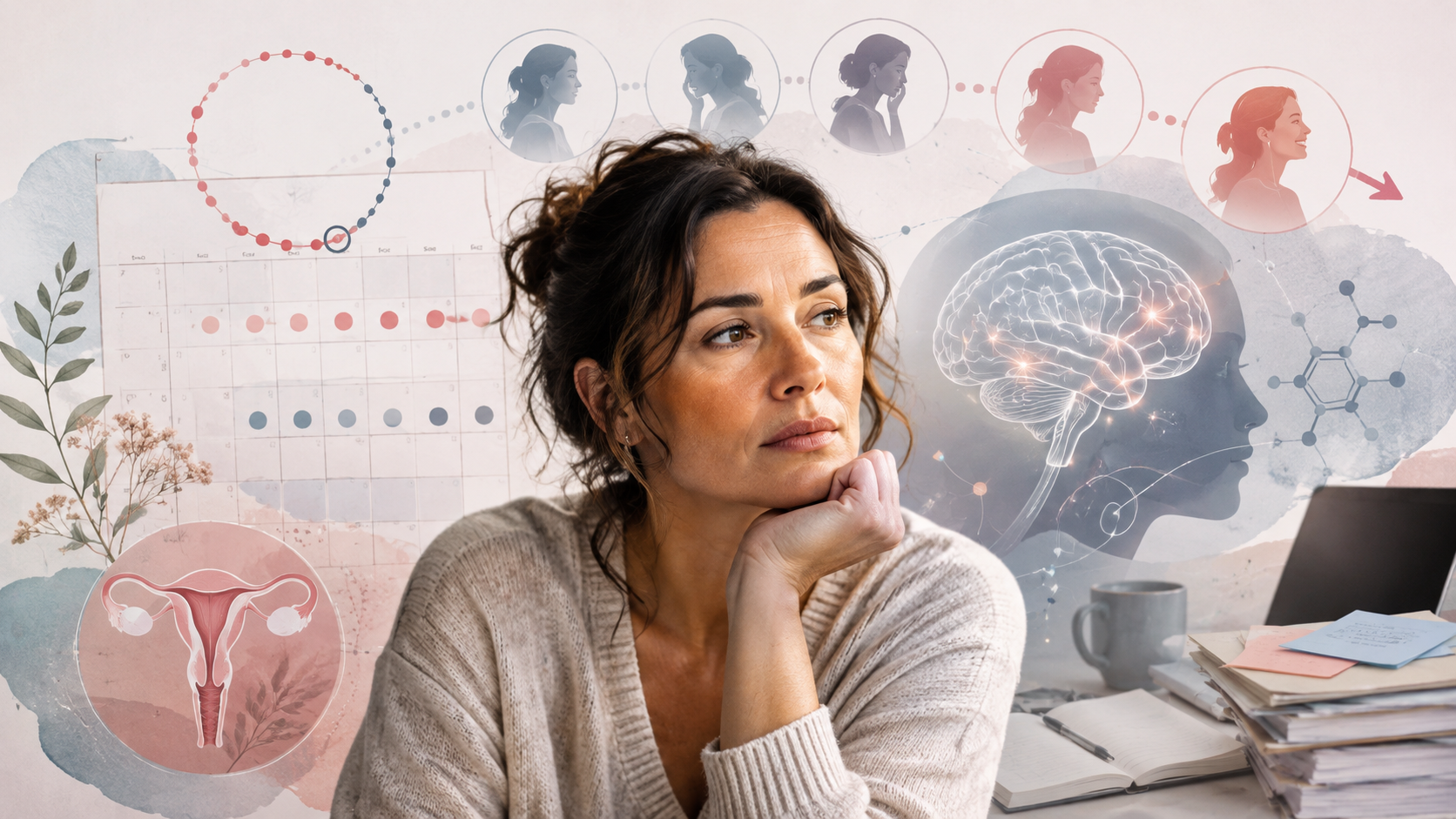
Women’s mental health is complex and dynamic, shaped by biological, psychological, and social factors. Hormonal fluctuations, life stages, trauma exposure, caregiving roles, and societal expectations all influence how symptoms emerge and how they should be treated.
Many women describe feeling dismissed or misdiagnosed when seeking mental health care—particularly when symptoms change over time or worsen during specific phases of the menstrual cycle. In reality, women’s mental health often requires a more nuanced, individualized approach.
How Hormones Influence Mental Health
Hormones play a central role in brain function. Estrogen, progesterone, and cortisol interact with neurotransmitters such as serotonin, dopamine, and GABA, which regulate mood, anxiety, sleep, and cognitive clarity.
As hormone levels rise and fall, mental health symptoms may shift. This is particularly noticeable:
- Across the menstrual cycle
- During pregnancy and the postpartum period
- In perimenopause and menopause
- With changes in hormonal contraception or hormone therapy
When hormonal contributors are overlooked, symptoms may appear inconsistent or “treatment resistant,” despite appropriate care in other areas.
PMS and Cyclical Mood Symptoms
Many women experience predictable changes in mood, anxiety, energy, or focus in the days leading up to their period. For some, these changes are mild. For others, they can be distressing and disruptive.
Common PMS-related mental health symptoms include:
- Increased irritability or emotional reactivity
- Worsening anxiety or low mood
- Tearfulness or heightened sensitivity
- Fatigue, brain fog, or reduced motivation
- Sleep disruption
- Difficulty concentrating or tolerating stress
These symptoms are driven by normal hormonal shifts, particularly changes in estrogen and progesterone during the luteal phase of the menstrual cycle. Experiencing cyclical mood changes does not mean symptoms are exaggerated or something to simply push through.
For some women, cyclical symptoms are a mild, time-limited pattern. For others, they may interact with underlying anxiety, depression, ADHD, or trauma-related conditions, amplifying symptoms at certain times of the month. Recognizing these patterns can offer important diagnostic clarity and guide more effective treatment decisions.
Women’s Mental Health Changes Across the Lifespan
Adolescence and early adulthood
Mood and anxiety disorders, ADHD, and trauma-related symptoms often emerge during this stage. Hormonal changes can interact with developing coping strategies and environmental stressors, making accurate diagnosis and early support particularly important.
Pregnancy and postpartum
Perinatal mood and anxiety disorders are common and highly treatable. Hormonal shifts, sleep disruption, and identity changes can intensify symptoms. Thoughtful psychiatric care during this time supports both maternal well-being and family stability.
Perimenopause and menopause
Many women experience new or worsening anxiety, depression, irritability, sleep disturbance, or cognitive fog during midlife. These symptoms are frequently misattributed to stress or aging, delaying appropriate treatment.
Across all stages, women’s mental health care should evolve as hormonal and life circumstances change.
What Comprehensive Women’s Mental Health Care Looks Like
High-quality women’s mental health care extends beyond symptom checklists or rapid medication changes. Comprehensive care may include:
- Careful diagnostic assessment over time
- Attention to hormonal, medical, and psychosocial contributors
- Evidence-based psychiatric medication management
- Non-pharmacologic strategies when appropriate
- Collaboration with therapists and other clinicians
- Shared decision-making that respects patient goals and values
The aim is not simply symptom reduction, but sustainable functioning, clarity, and quality of life.
When to Seek Specialized Women’s Mental Health Care
You may benefit from working with a women’s mental health provider if you:
- Notice mood or anxiety symptoms that worsen at predictable points in your cycle
- Have tried multiple treatments with limited benefit or intolerable side effects
- Are navigating pregnancy, postpartum, or perimenopause
- Feel your concerns have been minimized or oversimplified
- Want a more individualized, integrative psychiatric approach
Frequently Asked Questions About Women’s Mental Health
What is women’s mental health?
Women’s mental health focuses on how mental health conditions present, evolve, and respond to treatment in women, accounting for hormonal influences, reproductive life stages, and social context.
Are mood changes before a period normal?
Mild mood changes can be common. However, if symptoms are distressing, disruptive, or interfere with daily functioning, they deserve clinical attention and thoughtful evaluation.
Can hormonal changes affect mental health even if lab work is normal?
Yes. Hormonal fluctuations—not just absolute hormone levels—can significantly influence brain chemistry. Symptoms may occur even when laboratory values fall within reference ranges.
Should psychiatric medications be avoided during pregnancy or postpartum?
Not necessarily. Untreated mental health conditions during pregnancy and postpartum carry meaningful risks. Treatment decisions should involve individualized risk–benefit discussions.
How can I tell whether my symptoms are hormonal or psychiatric?
Often, they overlap. Evaluating timing, symptom patterns, medical history, and prior treatment response helps guide an individualized approach.
A Final Word on Women’s Mental Health
Women’s mental health is essential healthcare. When care is informed, collaborative, and individualized, women are more likely to feel validated, supported, and confident in their treatment decisions.
Learn More:
Mental Health Among African American Women
Mental Health Dispartities: Women's Mental Health
About Conscious Psychiatry
Conscious Psychiatry provides psychiatric medication management and hormone-informed mental health care for women in Denver and throughout Colorado. We specialize in anxiety, depression, PMDD, OCD, perimenopause and perinatal related mood symptoms using an evidence-based, individualized approach.
If you’re unsure whether your symptoms are hormonal, psychiatric, or both, we can help you determine the right treatment plan.
In-Person in Denver | Virtually Throughout Colorado and Oregon
Address: 950 S Cherry St Suite 1675, Denver, CO 80246