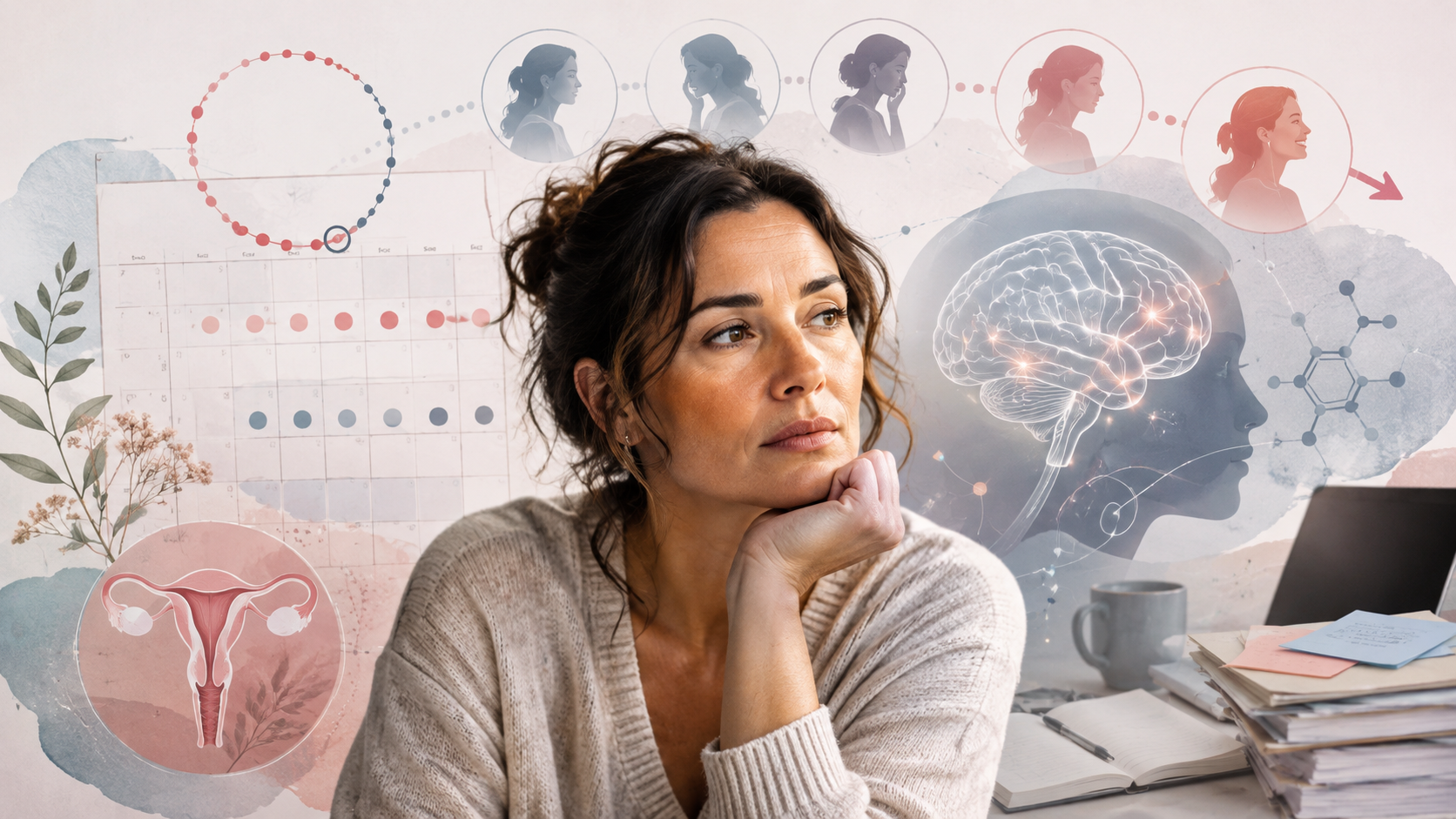
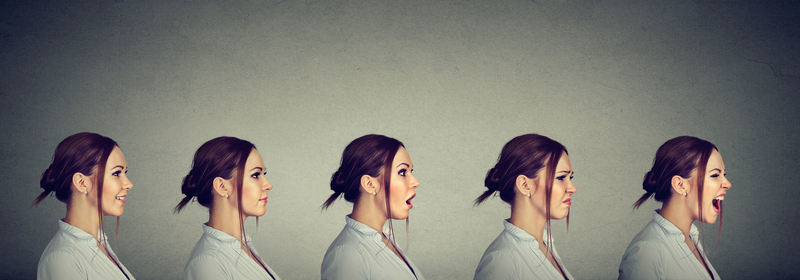
The Invisible Influence: How Hormones Shape Women’s Mental Health
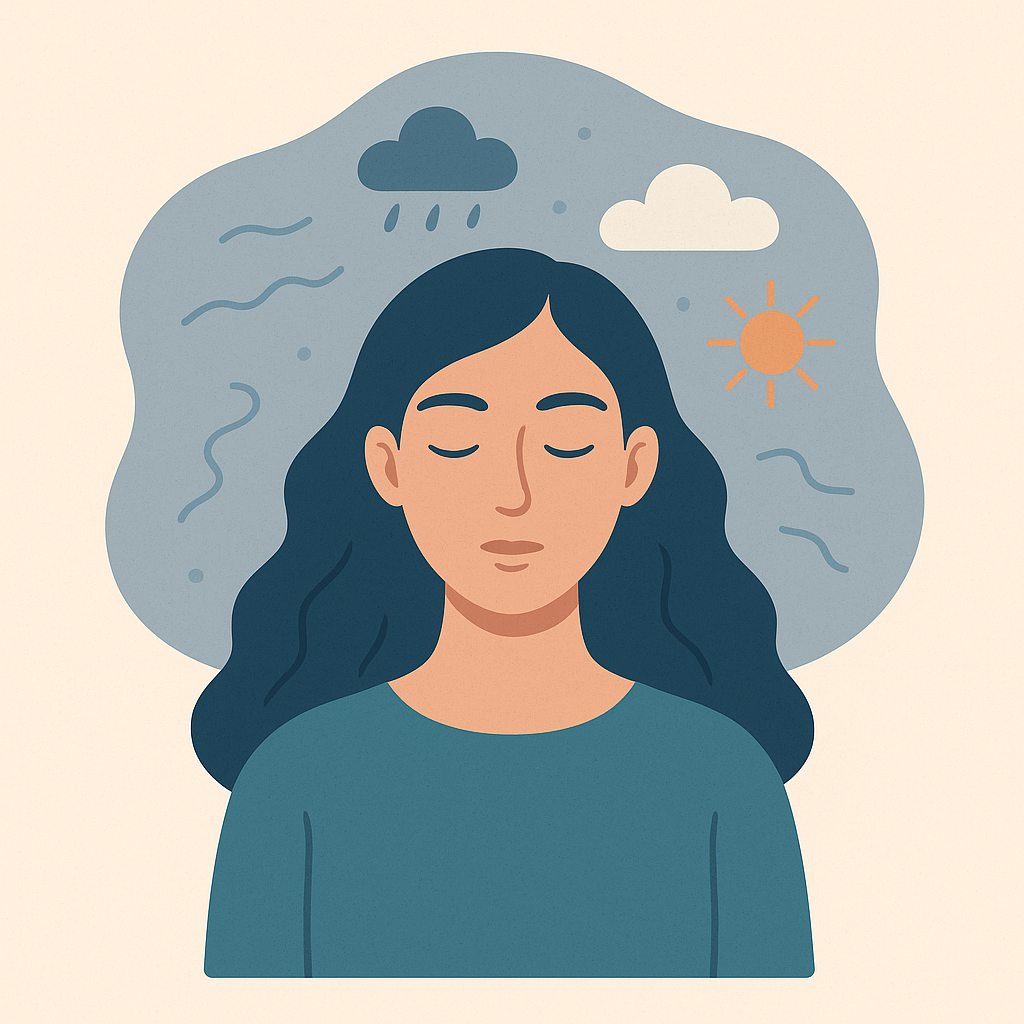
Why Do I Feel So Different—and I Can’t Explain Why?
Many women notice changes in their mood, anxiety, sleep, or focus—and can’t point to a clear cause.
You might feel:
- More anxious or on edge
- Irritable or emotionally reactive
- Mentally foggy or less focused
- Disconnected from yourself
And often, everything else in life looks… fine.
If this sounds familiar, hormones are often part of the picture.
The Connection Between Hormones and Mental Health
Hormones don’t just affect your body—they directly influence your brain.
Estrogen, progesterone, and testosterone all interact with:
- Serotonin (mood stability)
- Dopamine (motivation and focus)
- GABA (calm and emotional regulation)
When these hormones fluctuate, your brain feels it.
This is why mood changes are common during:
- The menstrual cycle
- Pregnancy and postpartum
- Perimenopause and menopause
Why Hormonal Symptoms Are Often Missed
Many women are told:
- “Your labs are normal”
- “It’s just stress”
- “This is part of getting older”
But hormone-related mental health symptoms are often driven by:
fluctuations—not just absolute levels
Why do my hormone labs look normal, but I still have symptoms?
What Hormonal Mood Symptoms Can Look Like
Hormone-related mental health symptoms don’t always look obvious.
They may include:
- Anxiety that feels physical or “out of nowhere”
- Mood swings or irritability
- Depression that fluctuates
- Sleep disruption
- Brain fog or difficulty concentrating
Many women describe it as:
“I don’t feel like myself anymore”
How Hormones Affect Anxiety
Hormonal anxiety often feels different from typical anxiety.
You may notice:
- Symptoms that fluctuate (rather than stay constant)
- Worsening before your period
- Increased sensitivity to stress
- Physical symptoms (restlessness, tension, racing heart)
Perimenopause anxiety and depression
Progesterone Sensitivity: Why Some Women Feel Worse
Progesterone is often described as calming—but that’s not true for everyone.
In some women, progesterone is converted into allopregnanolone (ALLO), which affects the brain’s calming system.
When this system is sensitive:
- Mood can become more unstable
- Anxiety and irritability can increase
Why progesterone can make mood and anxiety worse
Hormones vs Psychiatric Conditions
This is one of the most important distinctions.
Hormone-related symptoms:
- Fluctuate
- Often follow a pattern (cycle, life stage)
- May feel more physical or reactive
Primary psychiatric conditions:
- More consistent over time
- Less tied to hormonal patterns
Many women experience:
a combination of both
What Treatment Actually Looks Like
Hormone-related mental health symptoms are very treatable—but treatment needs to be individualized.
1. Hormone Therapy (When Appropriate)
For some women, stabilizing hormone levels can significantly improve symptoms.
This may include:
- Estradiol (patch, gel, or spray)
- Progesterone when needed
The goal:
reduce the fluctuations driving symptoms
Hormone therapy for women in Denver
2. Psychiatric Medication
Medication is often an important part of treatment.
Options may include:
- SSRIs or SNRIs
- Targeted medications for anxiety or sleep
Medication helps:
stabilize the brain’s response to hormonal shifts
3. Sleep and Nervous System Support
Sleep disruption amplifies everything.
We often focus on:
- improving sleep quality
- regulating stress response
- supporting daily stability
These changes:
make all other treatments more effective
When to Consider Evaluation
It’s worth being evaluated if:
- You don’t feel like yourself
- Symptoms are persistent or worsening
- Anxiety or mood changes feel new or different
- Symptoms fluctuate with your cycle or life stage
If something feels off, it’s worth looking into.
Final Thought
Hormonal mental health symptoms are often misunderstood—but they are real.
And most importantly:
they are highly treatable
With the right approach, you can feel:
- more stable
- more clear
- more like yourself again
FAQ: Hormones and Mental Health
Can hormones really affect anxiety and mood?
Yes. Hormones directly influence neurotransmitters like serotonin, dopamine, and GABA, which regulate mood and anxiety.
Why do my hormone labs look normal if I feel off?
Hormones fluctuate significantly, especially in perimenopause. A single lab value may not reflect what’s happening over time.
How do I know if my symptoms are hormonal?
Hormonal symptoms often fluctuate and may follow patterns related to your cycle or life stage.
Does hormone therapy help mental health?
For some women, yes—especially when symptoms are driven by hormonal fluctuations. It is most effective when used as part of a comprehensive plan.
Should I take hormones or antidepressants?
It depends on what’s driving your symptoms. Many women benefit from one or both approaches.
Why does progesterone sometimes make me feel worse?
Some women are sensitive to allopregnanolone (ALLO), a metabolite of progesterone that can affect the brain’s calming system.
When should I seek help?
If symptoms are persistent, worsening, or interfering with daily life, it’s worth being evaluated.
Learn More:
How Hormones Influence Decision Making and Learning
Effects of Hormones on Brain Health
How Hormones influence Mental Health
Brain Fog and Irritability: The Hormonal Influence of Perimenopause
About Conscious Psychiatry
Conscious Psychiatry provides psychiatric medication management and hormone-informed mental health care for women in Denver and throughout Colorado. We specialize in anxiety, depression, PMDD, OCD, perimenopause and perinatal related mood symptoms using an evidence-based, individualized approach.
If you’re unsure whether your symptoms are hormonal, psychiatric, or both, we can help you determine the right treatment plan.
In-Person in Denver | Virtually Throughout Colorado and Oregon
Address: 950 S Cherry St Suite 1675, Denver, CO 80246