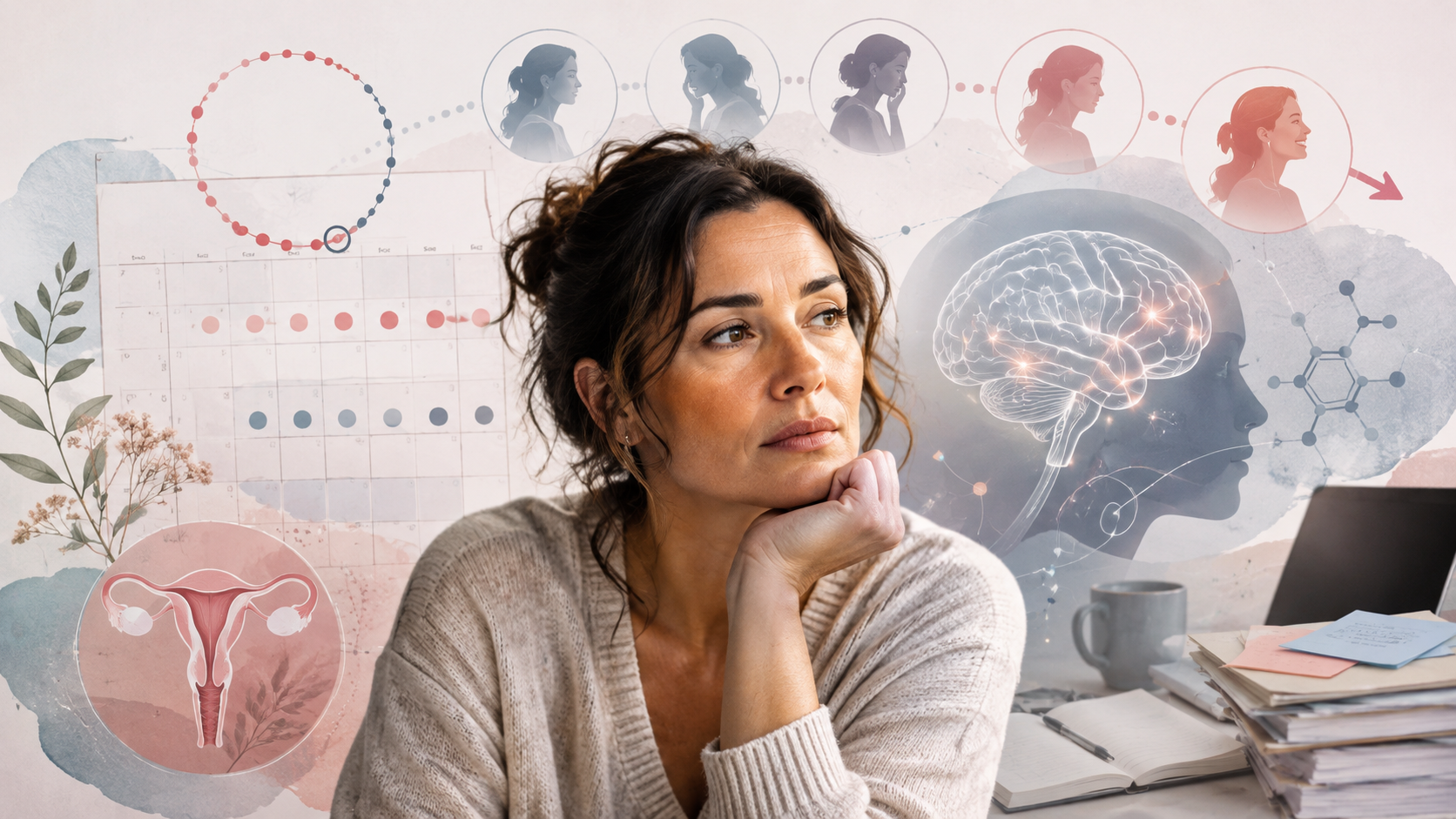
Depression Treatment for Women in Denver: Symptoms, Hormones, and What Actually Helps

Depression Doesn’t Always Look Like You Think
Many women don’t recognize depression right away.
You might still be:
- Going to work
- Taking care of others
- Keeping up with responsibilities
…but internally feeling:
- Exhausted
- Disconnected
- Irritable or overwhelmed
- Not like yourself
Depression in women often presents as high-functioning burnout, anxiety, or emotional depletion, not just sadness.
Why Depression Affects Women Differently
Women experience depression at nearly twice the rate of men, driven by a combination of:
- Hormonal changes (cycle, pregnancy, postpartum, perimenopause)
- Chronic stress and mental load
- Sleep disruption
- Life transitions and role demands
These factors interact with brain chemistry—particularly serotonin, dopamine, and stress hormones—making depression more complex than a single “chemical imbalance.”
The Denver Factor: How Environment Can Impact Mood
Living in Denver adds a few unique variables that can influence mental health—especially for women already vulnerable to depression.
- Altitude (5,280 ft) can affect oxygen levels, which may contribute to lighter sleep, fatigue, and changes in energy—particularly during adjustment periods
- Sleep disruption is common at altitude and has a direct, well-established impact on mood and emotional regulation
- Weather variability and seasonal shifts can affect circadian rhythm and daily routines, both of which play a role in mood stability
- Many women also notice a mismatch between how they feel and the “active, high-functioning” culture around them, which can increase feelings of isolation or self-criticism when struggling
For some individuals, this creates a pattern where: biological, hormonal, and environmental factors interact—rather than a single clear cause
Signs of Depression in Women
Depression is not always obvious. Common symptoms include:
Emotional
- Persistent low mood or emptiness
- Irritability or restlessness
- Anxiety or constant worry
- Loss of interest or enjoyment
- Guilt or self-criticism
Physical
- Fatigue or low energy
- Sleep disruption (too much or too little)
- Appetite or weight changes
- Headaches or digestive symptoms
- Difficulty concentrating
Functional
- Decreased productivity
- Withdrawing from relationships
- Increased reliance on alcohol or coping behaviors
- Feeling like you’re “just getting through the day”
High-Functioning Depression in Women
Many women continue to function externally while struggling internally.
You might:
- Perform well at work
- Show up for others
- Maintain responsibilities
…but feel:
- Drained
- Disconnected
- Like you’re constantly pushing through
This is often overlooked—and frequently undertreated.
Hormones and Depression: A Critical Connection
Hormonal changes play a major role in women’s mental health.
You may notice:
- Mood worsening before your period
- Depression emerging postpartum
- Increased symptoms in perimenopause
- Sleep disruption worsening mood
Estrogen and progesterone directly affect:
- Serotonin
- Dopamine
- Stress response
This is why effective treatment often requires:
both psychiatric and hormone-aware care
Depression Treatment for Women in Denver
Treatment is not one-size-fits-all.
At Conscious Psychiatry, we focus on identifying what is driving your depression, which may include:
- Neurotransmitter changes
- Hormonal fluctuations
- Sleep disruption
- Chronic stress or burnout
Medication Management for Depression
Antidepressants can be highly effective when used appropriately.
Common options include:
- SSRIs
- SNRIs
- Other targeted medications depending on symptoms
Our approach:
- Start with the most appropriate medication for your symptom pattern
- Use the minimum effective dose
- Monitor closely for side effects and response
- Adjust based on your real-life functioning—not just symptom checklists
Medication is not about numbing you—it’s about helping your system stabilize.
Hormone-Informed Depression Treatment
For many women, addressing hormones is essential.
We may incorporate:
- Cycle-based treatment strategies
- Hormone therapy when appropriate
- Coordination with other providers
This is especially important for:
- PMDD
- Perimenopause-related depression
- Postpartum mood changes
Therapy and Lifestyle Support (When Appropriate)
Medication works best when combined with additional support.
We often incorporate:
- Therapy (including ACT-based approaches)
- Sleep optimization
- Nutrition and blood sugar stability
- Nervous system regulation
These are not replacements for treatment—they: improve outcomes and make treatment more sustainable
When to Seek Treatment for Depression
Consider a psychiatric evaluation if:
- Symptoms persist longer than 2 weeks
- Depression is affecting work or relationships
- You feel stuck or not improving
- You’re unsure what type of treatment you need
What Makes Our Approach Different
Many women come in unsure if they:
- Need medication
- Want to avoid medication
- Have tried treatment that didn’t work
Our goal is not to push medication.
It’s to: understand what’s driving your symptoms—and treat that directly
The Goal of Treatment
Treatment is not about “fixing” you.
It’s about:
- Feeling more stable and clear
- Having energy and motivation again
- Reconnecting with your life
- Reducing the constant sense of effort
So that you’re no longer just functioning—you’re actually feeling better.
Final Thought
Depression is common—but it is also highly treatable.
If you’ve been telling yourself it’s “just stress” or something you should push through:
There may be a clearer, more supported path forward.
FAQ: Depression Treatment for Women
How do I know if I’m depressed or just stressed?
Stress is usually tied to specific situations and improves with rest. Depression tends to persist, affect multiple areas of life, and doesn’t resolve with time alone.
What is the best medication for depression?
SSRIs and SNRIs are typically first-line treatments. The best option depends on your symptoms, history, and how your body responds.
Can depression be treated without medication?
Sometimes. Mild depression may improve with therapy and lifestyle changes, but many women benefit from combining approaches.
How long does depression treatment take to work?
Most medications take 2–6 weeks to show improvement, though energy and sleep may improve sooner.
Can hormones cause depression?
Yes. Hormonal changes can significantly affect mood, especially during the menstrual cycle, postpartum period, and perimenopause.
What if I’ve tried antidepressants before and they didn’t help?
This usually means the treatment approach needs adjustment—not that treatment won’t work. Medication choice, dosing, or underlying factors may need to be reevaluated.
Learn More
Altitude and risk of depression and anxiety: how living in Denver may affect mood
Living High while Feeling Low (in Denver)
Office on Women's Health: Depression
Depression in Women: 4 Things to Know
About Conscious Psychiatry
Conscious Psychiatry provides psychiatric medication management and hormone-informed mental health care for women in Denver and throughout Colorado. We specialize in anxiety, depression, PMDD, OCD, perimenopause and perinatal related mood symptoms using an evidence-based, individualized approach.
If you’re unsure whether your symptoms are hormonal, psychiatric, or both, we can help you determine the right treatment plan.
In-Person in Denver | Virtually Throughout Colorado and Oregon
Address: 950 S Cherry St Suite 1675, Denver, CO 80246